


Glutathione - an overview
US$ 27.28

doi: 10.1186/s12889-017-4970-8
You Can Rely on Us
Myalgic encephalomyelitis/chronic fatigue syndrome: essentials of diagnosis and management

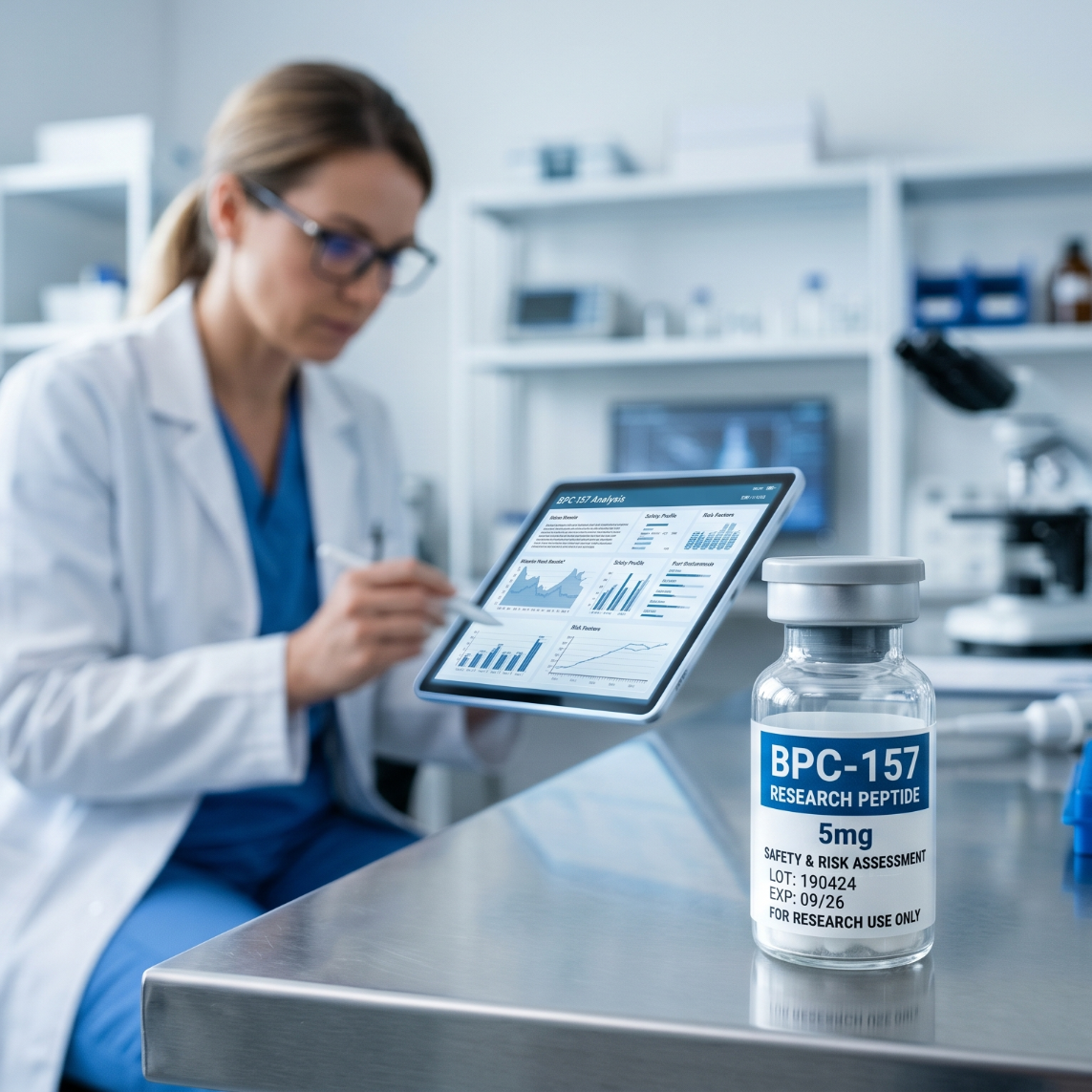
Primary Degradation Mechanisms Hydrolysis: Water can cleave peptide bonds, especially at elevated temperatures Oxidation: Methionine and cysteine residues (if present) are susceptible to oxidation Aggregation: Peptides may form aggregates over time, reducing bioactivity Microbial Contamination: Bacteria can degrade peptide and introduce pyrogens Stability-Enhancing Practices Temperature: Refrigerate at 2-8C immediately after reconstitution Light: Store in original amber vial or wrap with foil pH: BPC-157 is stable across a wide pH range (2-10), but neutral pH is optimal Sterile Technique: Use fresh needles and swab septum before each withdrawal Estimated Stability in Solution BAC Water at 2-8C: 4-6 weeks with maintained activity Sterile Water at 2-8C: 1-2 weeks maximum

There is no evidence that BPC-157 directly affects estrogen or other sex hormones

Protein, electrolytes, and sleep are the first variables to assess

US$ 27.28
US$ 28.96
US$ 23.01
US$ 29.39